Point of View · The Traveller
El comprador de duty-free ha cambiado. La mayoría de las marcas todavía hablan con el antiguo.
The traveller who drives airport spending today is younger, more digital and harder to reach at the gate. The media hasn’t caught up.
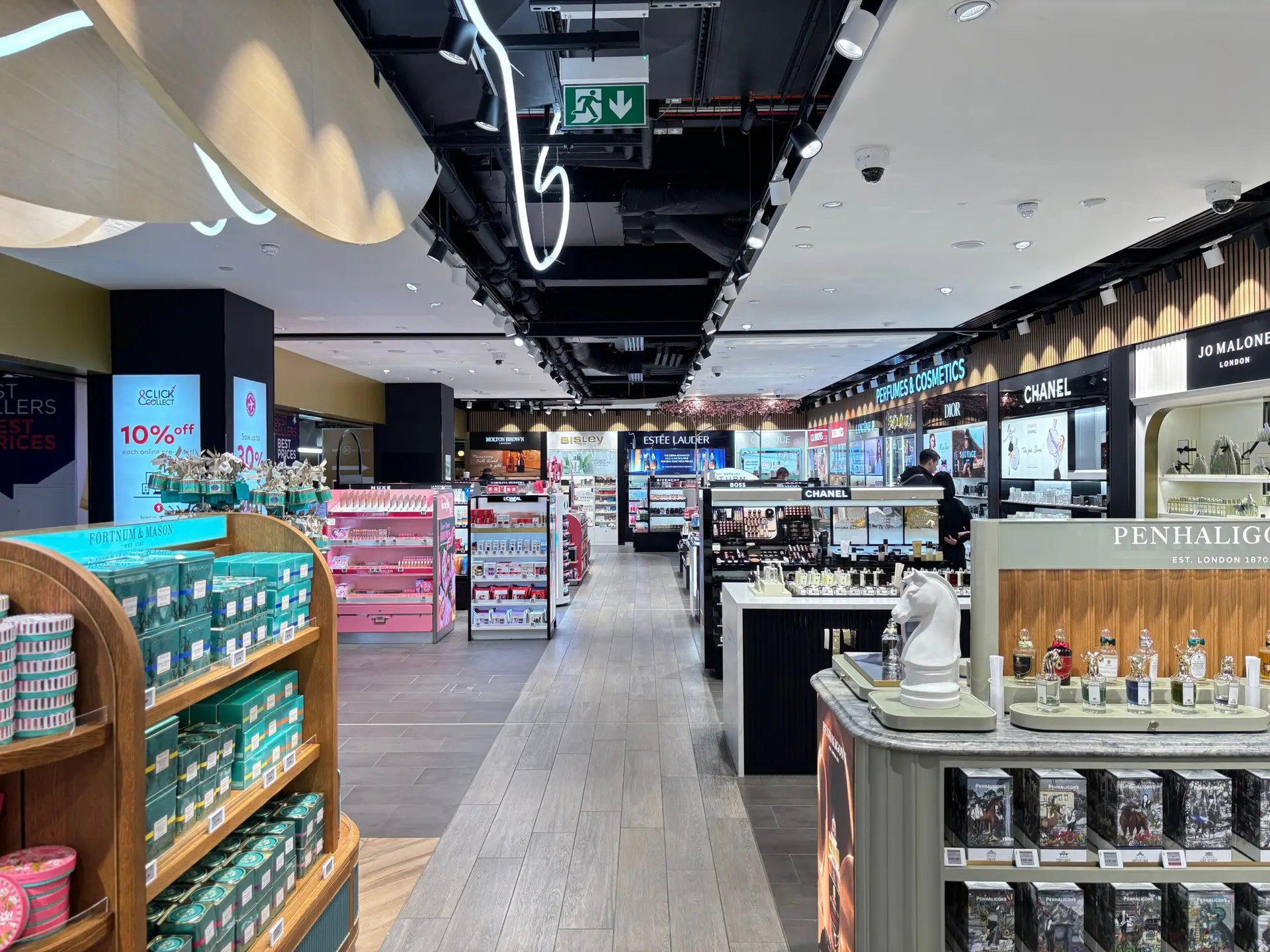
For decades the duty-free shopper was a known quantity: a routine buyer who decided in the terminal, picked up the familiar bottle or fragrance on impulse, and moved on. That shopper still exists. They are simply no longer the one who matters most.
The traveller now driving the category is younger, and they spend far more. Gen Z and Millennials already account for the majority of airport retail spending, growing at close to 11% a year through 2031. Together they spend roughly three and a half times more than Gen X and Boomers combined, and Gen Z travellers are two and a half times more likely than Boomers to buy a luxury product.
They shop nothing like the old shopper
Here is the problem. The younger traveller behaves in ways the old playbook simply does not reach. Research from m1nd-set found that only 41% of Gen Z visitors to duty-free actually buy, against a 51% average across all ages; fewer than a third had noticed any duty-free touchpoint before travelling, against 47% for everyone else; and fewer than half interact with sales staff. They are deciding earlier, on their phones, influenced by social feeds and peers rather than by the gondola at the gate.
The old shopper
- Decides in the terminal
- Buys on impulse and habit
- Loyal to familiar brands
- Reached at the gate
- Price and exclusivity sell
The shopper who now matters
- Decides before they fly
- Researches on a phone
- Loyalty has to be earned
- Reached on social and in transit
- Experience and authenticity sell
The mismatch that’s costing money
None of this means the terminal is finished. Around 70% of airport purchases are still made on impulse, and fewer than one in ten is influenced by any digital pre-order (DFNI Online, 2026). The store still closes the sale. The catch is that the decision is increasingly made before the traveller ever reaches it, yet most brands still spend almost everything on the last few metres and almost nothing on the window where the younger, higher-spending traveller is forming intent.
The sale still closes at the gate. The decision is made long before it.
Where the decision moved
Social media is now the single most important channel in the younger traveller’s path to purchase, ahead of every traditional touchpoint.
Source: McKinsey State of the Consumer, 2026
What to do about it
The fix is not to abandon the airport. It is to stop assuming the airport is where the decision happens. Meet the younger traveller earlier and on their own devices, in the Dream and Plan moments, through paid social, connected TV and the captive attention of the connected cabin, with a message tied to where they are actually going. Then let the terminal do what it is genuinely good at: closing a sale the traveller already intended to make.
That is really an argument for planning around the whole traveller journey rather than the airport alone, which is a subject in its own right. We have written separately about the five moments that shape a travel purchase and how to plan media across them.
At Echolution we help brands reach the traveller who actually drives spend today, across the whole journey rather than only at the gate. See how we think about it, or get in touch.